
Delve into the world of Minimalist architecture ideas for small spaces and discover how simplicity and functionality can revolutionize compact living. From innovative space-saving solutions to the importance of natural light, this topic explores the art of minimalism in design.
Unveil the secrets behind creating stunning minimalist interiors that maximize storage without compromising aesthetics. Let's embark on a journey to explore the beauty of minimalism in architecture.
Minimalist architecture principles
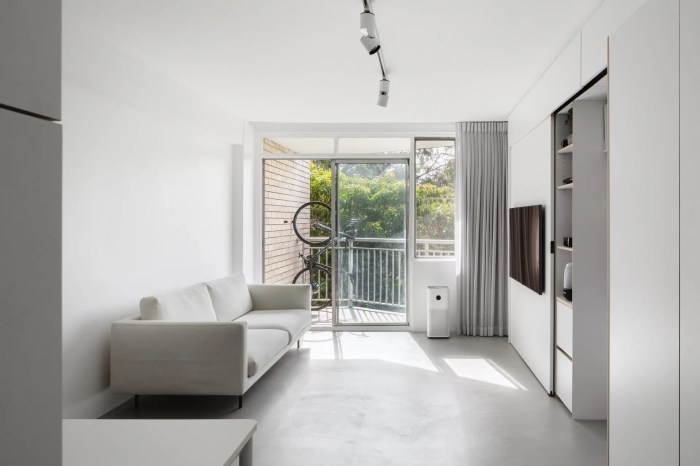
Minimalist architecture is characterized by simplicity, clean lines, and a focus on functionality. The core principles of minimalist design include the use of basic geometric forms, neutral color palettes, and the elimination of unnecessary elements.
Application of minimalism in small spaces
In small spaces, minimalist architecture can be applied by maximizing natural light, using multifunctional furniture, and reducing clutter. For example, in a small studio apartment, opting for a neutral color scheme, incorporating hidden storage solutions, and sticking to essential furniture pieces can create a sense of openness and airiness.
Importance of simplicity and functionality
Simplicity and functionality are crucial in minimalist design as they promote a sense of calm and order. By eliminating excess decoration and focusing on the essentials, minimalist architecture can create a harmonious living environment that enhances daily life. The emphasis on functionality ensures that every element serves a purpose, making the space not only visually appealing but also practical and efficient.
Space-saving solutions
When dealing with small living areas, it is essential to utilize every inch of space efficiently. Here are some innovative space-saving ideas and solutions to make the most out of limited space.
Multifunctional Furniture
One of the key elements in minimalist design for small spaces is the use of multifunctional furniture. Pieces like sofa beds, Murphy beds, or ottomans with storage compartments can serve dual purposes without taking up extra room. This not only maximizes functionality but also enhances the overall aesthetics of the space.
Maximizing Storage
Storage is crucial in small living areas, but it can often clutter the space if not organized properly. To maximize storage without compromising aesthetics, consider using vertical space with tall shelves or cabinets. Utilize under-bed storage, wall-mounted shelves, and hidden storage solutions like built-in cabinets or drawers.
Keeping the space organized and clutter-free will create a sense of openness and airiness in the room.
Natural light and open spaces
When it comes to minimalist architecture in small spaces, natural light plays a crucial role in creating a sense of openness and airiness. By maximizing the use of natural light, you can enhance the overall ambiance of the space and make it feel more spacious.
Incorporating windows and skylights
One effective strategy for maximizing natural light in compact areas is to incorporate windows and skylights. Windows not only allow natural light to flood the space but also create a visual connection to the outdoors, making the space feel larger.
Skylights, on the other hand, bring in natural light from above, creating a sense of openness and expansiveness.
Utilizing glass walls
Another way to enhance the sense of space in a small area is by using glass walls. Glass walls not only allow natural light to penetrate deep into the space but also visually extend the boundaries of the room, creating a seamless connection between the interior and exterior.
This transparent barrier helps blur the lines between indoors and outdoors, making the space feel more open and expansive.
Neutral color palettes and textures
Neutral colors play a crucial role in minimalist design for small spaces as they create a sense of calmness and simplicity. These colors, such as white, beige, gray, and taupe, help to visually expand the space and make it feel more open and airy.
By using neutral color palettes, the focus shifts to the architectural elements and design details rather than the colors themselves.
Textures in minimalist interiors
Textures can add depth and interest to a minimalist interior by providing tactile sensations and visual contrast. Textures like wood, stone, glass, and metal can be incorporated to create a dynamic and visually appealing space. Mixing different textures can also help to create a sense of warmth and coziness in an otherwise minimalistic setting.
- Wood: Incorporating wooden elements such as furniture, flooring, or decor items can add warmth and a natural touch to a minimalist space.
- Stone: Using materials like marble, granite, or concrete can add a sense of sophistication and elegance to the interior design.
- Glass: Glass surfaces can reflect light and create a sense of transparency, making the space feel more open and spacious.
- Metal: Metal accents or fixtures can add a touch of modernity and industrial style to a minimalist interior.
Minimalist landscaping for small outdoor spaces
When it comes to designing small outdoor spaces in a minimalist style, less is definitely more. By incorporating simple elements and clean lines, you can create a serene outdoor area that complements your minimalist architecture.
Geometric Shapes and Minimal Vegetation
One key aspect of minimalist landscaping is the use of geometric shapes and minimal vegetation. Opt for clean lines and simple shapes in your outdoor design to maintain a sleek and uncluttered look. Consider incorporating elements like rectangular planters, square pavers, or circular seating areas for a modern touch.
Harmonious Connection Between Indoor and Outdoor Spaces
Creating a harmonious connection between your indoor and outdoor spaces is essential in a minimalist design. Use similar materials, colors, and textures in both areas to ensure a seamless transition. Consider installing large windows or glass doors to blur the lines between indoors and outdoors, allowing natural light to flood both spaces.
Concluding Remarks
As we conclude our discussion on Minimalist architecture ideas for small spaces, remember that less is often more when it comes to design. Embrace the principles of minimalism and transform your small space into a stylish oasis of simplicity and elegance.
FAQ Overview
How can I apply minimalism to a small space effectively?
To apply minimalism effectively, focus on decluttering, choosing multifunctional furniture, and utilizing light colors to create a sense of openness.
What are some innovative space-saving ideas for small living areas?
Consider using wall-mounted shelves, foldable furniture, and built-in storage solutions to maximize space in small living areas.
Why is natural light important in minimalist architecture?
Natural light enhances the minimalist aesthetic by creating a sense of openness and brightness, making the space feel larger and more inviting.
How can I incorporate textures into a minimalist interior?
Add textures through materials like wood, stone, or metal to introduce depth and visual interest while maintaining a minimalist design aesthetic.
What are some tips for minimalist landscaping in small outdoor spaces?
Opt for simple geometric shapes, minimal vegetation, and strategic placement of elements to create a clean and harmonious outdoor space in a minimalist style.